Science of Reading, Activated
-
Students read aloud from text matched to the purpose, whether selected by the assessment, chosen by the student, or aligned to your classroom instruction. Amira listens and analyzes in real time.
-
Amira analyzes reading down to the phoneme, identifying exactly where a word breaks down and whether the pattern is isolated or recurring.
-
Amira provides explicit feedback using pre-written prompts from Science of Reading experts.
-
You receive a clear view of the session, the patterns identified, and recommended next steps. From there, you decide what happens next.
Because the reading is happening live rather than being marked afterwards, a single session captures around ten times the measurement points of a traditional assessment. And to the student, it feels like practice, not a test.
Amira analyzes reading down to the phoneme: which sound inside which word broke down, and whether that same sound has been slipping all week. It separates substitutions, omissions, insertions, and prosody, so an accent or a dialect reads as a voice, never as a deficit. One missed word is a moment. The same sound missed for a week is the thing you actually want to see.
The support is grounded in what the student actually said, not a generic hint that misses the source of the struggle. Each response comes from a carefully designed set of instructional prompts rather than being generated on the spot.The goal is to give the student just enough support to stay in the text: accurate enough to move forward, but challenging enough to keep the thinking and reading work in the student’s hands.
What comes back is more than a report. Amira turns what happened during the session into student groupings, a recommended lesson pathway, and an estimate of the instructional time each student may need to reach mastery.Amira recommends. Teachers decide. Every grouping, lesson, and next step remains in the teacher’s hands. Nothing changes in instruction unless the teacher chooses it.
Amira is an extension of you.
Your district chooses which parts of Amira to use. You decide what happens next. See how each part works inside the classroom to give you clearer insight, strengthening your instruction, and more time to teach.
-
Dynamic Assessment that authentically identifies skills mastery to inform instruction.
- Screening, diagnostic and progress monitoring happen in one sitting
- Scored as the student reads, so there is no stack of assessments waiting for you afterward.
- Early indicators of reading risk, including dyslexia, surfaced as they appear
-
The evidence becomes a lesson plan that fits the core curriculum already in your classroom.
- Student groups and instructional next steps come directly from the data
- Micro-lessons are aligned to the skills and state standards your students need next
- Knowledge-rich text sets are connected to the curriculum already happening in your classroom
-
1:1 practice that reinforces core instruction, with micro-interventions aligned to each student’s learning progression.
- Practice happens in short bursts, so station rotations stay on time
- Tiered intervention without a separate schedule to run
- Available in English or Spanish
Whatever parts of Amira your district uses, the data stays connected, so you never have to piece it together yourself. Less time managing the work. More time doing what only you can do: teach.



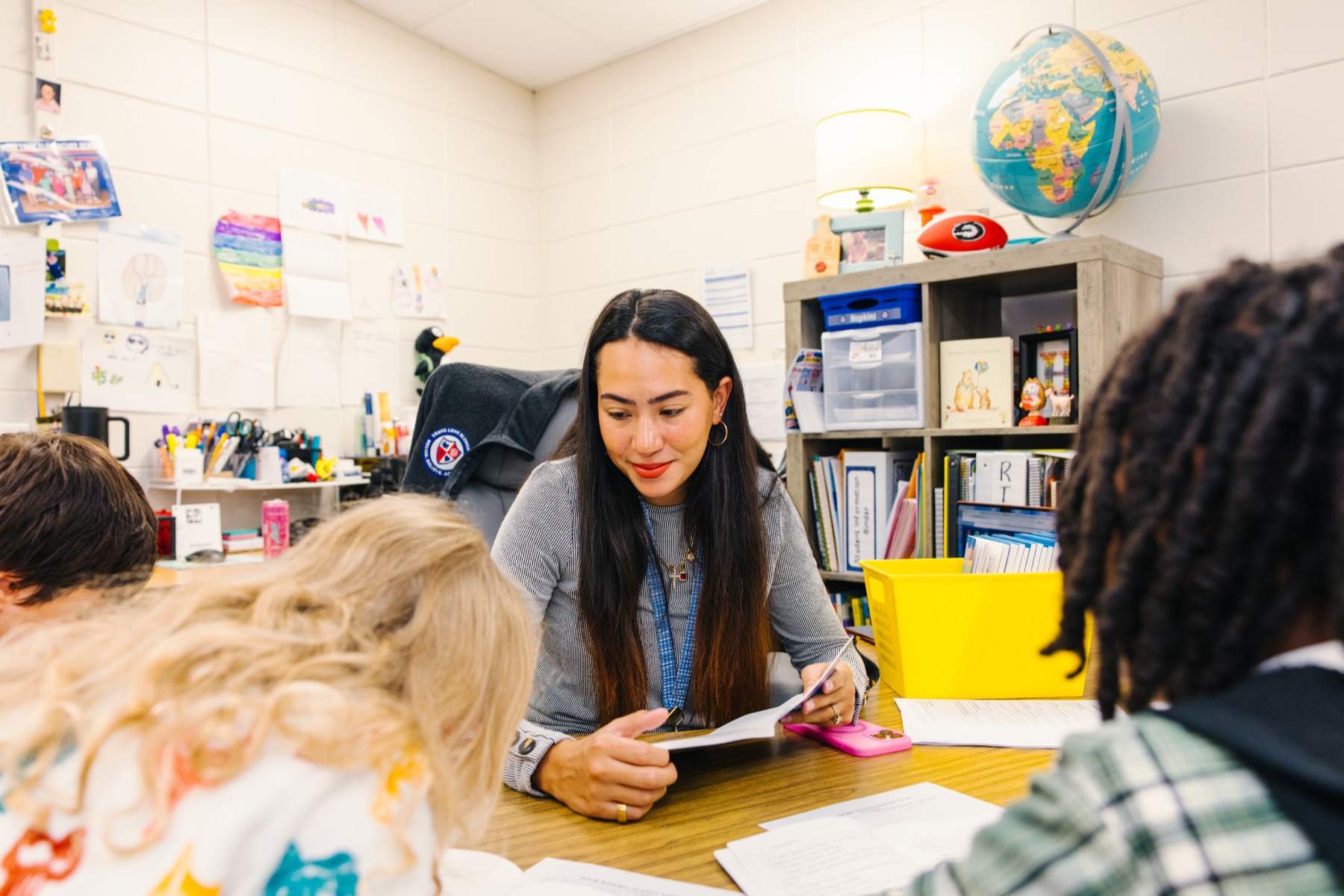
Your classroom. A whole community of support.
Asked in the community this month
- Student BadgesCommunity Discussions
- Recommendations: competitionsCommunity Discussions
- How do I get my Kindergarten students to stay focused while using Amira?Community Discussions
- Introduce Yourself to the CommunityCommunity Discussions
- Using Progress Monitoring as a InterventionistCommunity Discussions
Real questions from teachers using Amira, straight from the Champions community. Opening one takes you there.
The Community Hub is your place to connect with fellow educators using Amira, ask questions, and share what works. Find classroom resources, explore courses, and get practical ideas and support from a community that understands your day-to-day.
- 1,459
- teachers in the community
- 11
- courses in the Academy
- 38
- posts in the last 30 days
Understand what your readers need next.
While assessments tell you a score, actively listening to students reading aloud tells you which sound needs work, in which word, for which student, and how to correct it.
Fielding questions from parents about this? Here is what we tell them- Amira helps identify students who may be dyslexic
- Reading aloud surfaces the cognitive and linguistic markers a silent assessment cannot reach.
- Amira supports students reading in English & Spanish
- Spanish is assessed as Spanish, not as English translated. The same learning loop runs in both languages for assessment, instruction and tutoring.
- Amira assists students who need more than the core
- Tiered support runs on the same evidence as the core lesson rather than on a separate assessment, so a child moves between tiers on what was actually heard.
30 minutes a week. Nothing more.
- Already in your literacy block Tiered intervention runs inside the literacy block you already have, not beside it.
- Already scored The session is scored as the student reads, so nothing lands in a pile for Friday.
- Already grouped Grouping and next steps are built from the assessment rather than entered again by hand.
what happensnext?You DECIDE
Based on evidence, instructional next steps are suggested. You can accept it, change it, or ignore it. Every time, for every student.
The part that builds the plan See Instruct in action…and introducing a new guided workspace: Amira Studio

Hi, I’m Amira.
I listen to your students read and provide feedback in the moment so you can individualize instruction and practice for every student